
Overview

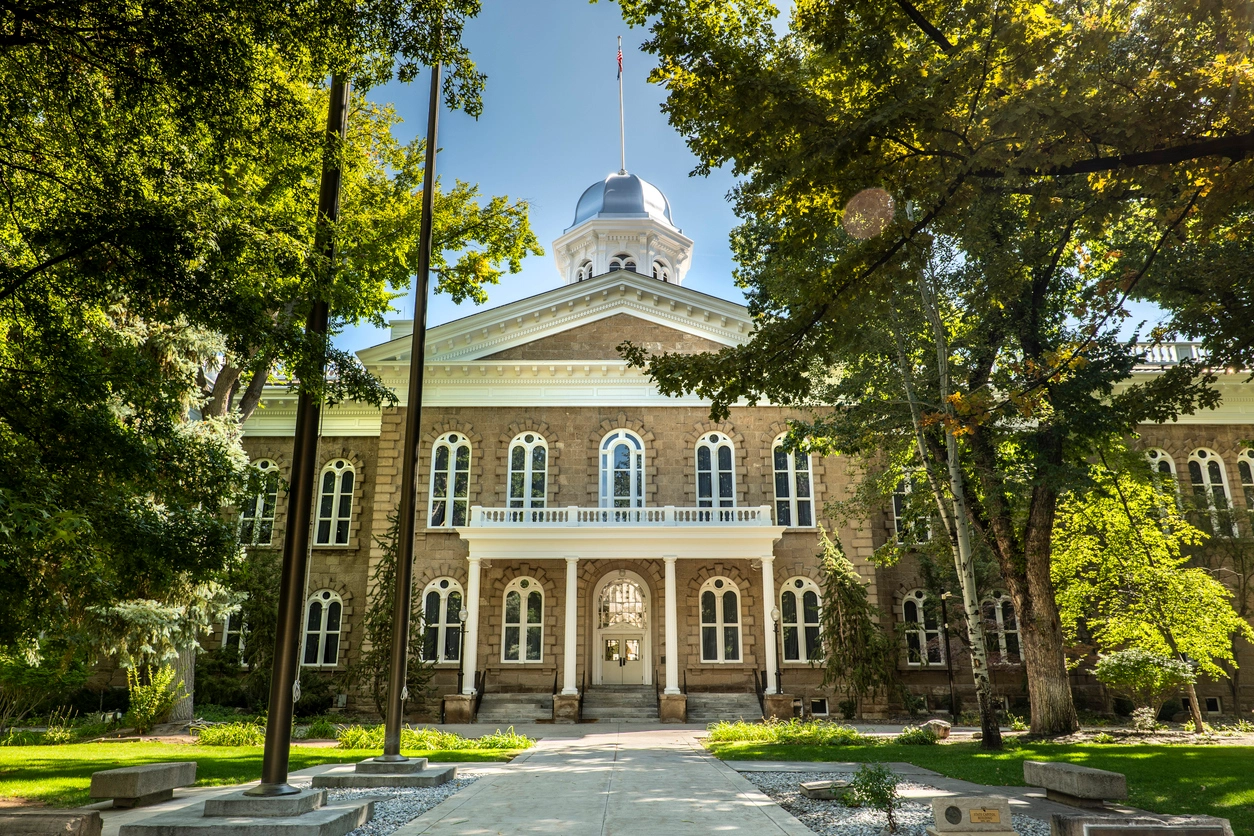
Carson City, Nevada’s State Capital, serves as the administrative and economic center of the Sierra Region. As a consolidated city–county, it offers streamlined governance, efficient permitting, and a pro-business regulatory environment.

Centrally located in western Nevada at the base of the Sierra Nevada Mountains and bordering Lake Tahoe’s southeastern shore, Carson City connects government operations with private industry. The city’s economy is anchored by state government, healthcare, manufacturing, and retail sectors.

The region’s population reached approximately 58,337 in 2024 — a 4.0% increase since 2019 — and is projected to grow by another 2.1% by 2029. Employment remains steady with 34,466 jobs.

Carson City offers both the advantages of a state capital and an economic hub in a close-knit community setting.
Fast Facts

  • Land mass: 157 mi2 (410 km2)
  • Population: 58,337 (2024)
  • Average Elevation: 4,687 feet (1,429 meters)
  • Easy access to elected and government officials.
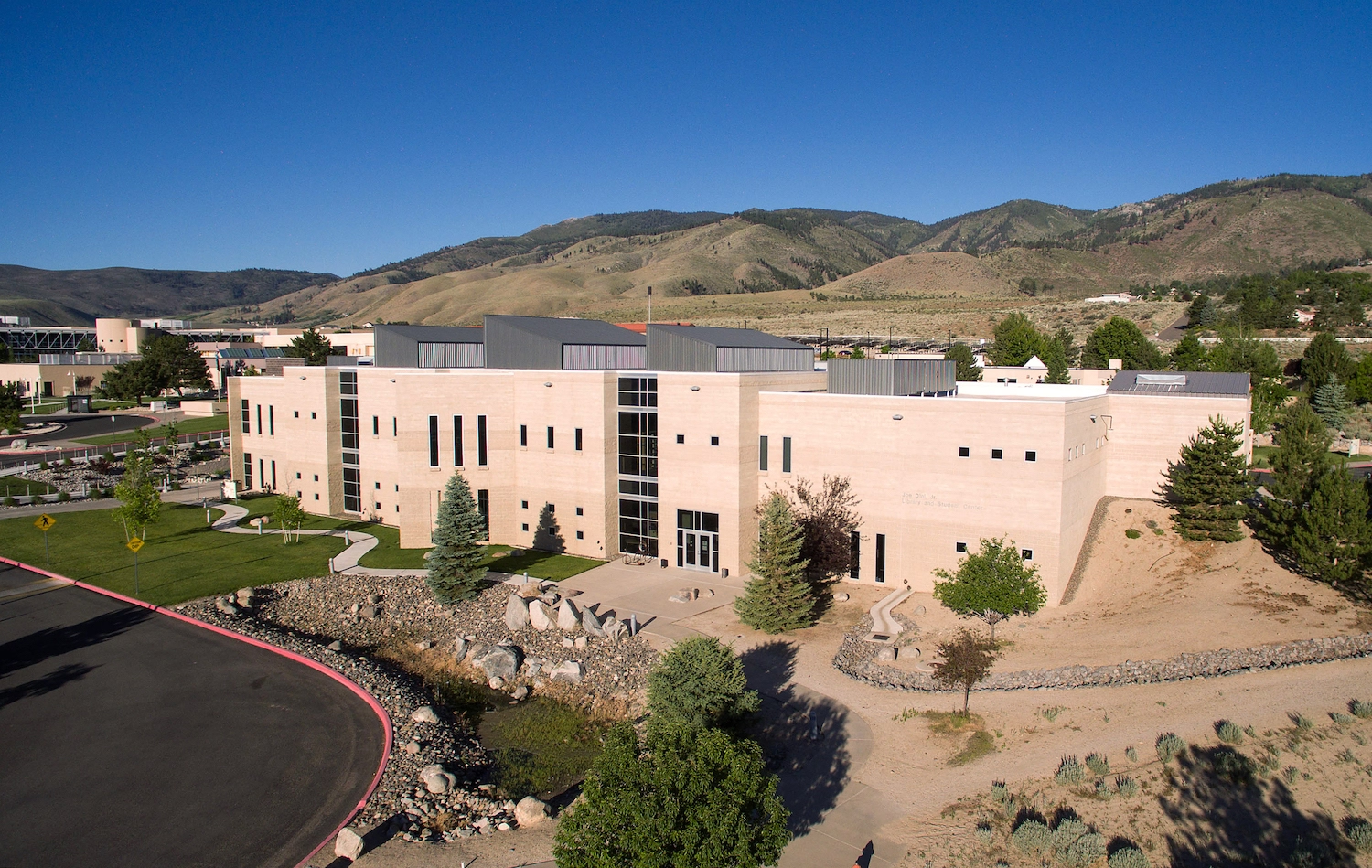
  • Home to Western Nevada College, home to the only International Mechatronics Certificate Program in the Western U.S.
  • Broad array of manufacturing capabilities to produce just about anything, including medical devices.
  • Key Industry Sectors:
    • Government
    • Healthcare
    • Manufacturing
    • Retail Trade
    • Finance and Insurance

Accessibility

Carson City provides direct access to Nevada’s major highway and air networks, connecting businesses to state, regional, and West Coast markets.

  • 32 miles south of Reno–Tahoe International Airport, with regular commercial and cargo service
  • One-day truck transit to nearly 600,000 regional customers
  • Four-hour drive to the San Francisco Bay Area
  • 6,000 acres of open space, 29 public parks, and extensive trail systems
  • More than a dozen world-class ski resorts within 30-60 minutes of the city
  • Lake Tahoe access is only a 20-30 minute drive
  • 9 golf courses and extensive recreation amenities for workforce retention

The city’s central location, balanced infrastructure, and quality of life make it ideal for both business and government operations.
County Resources

City of Carson City Official Website
Carson City Chamber of Commerce
Carson City Visitors Bureau

Douglas County

Douglas County is a balanced mix of scenic alpine communities and productive valley industries. Located along the Sierra Nevada and Lake Tahoe’s south shore, the county connects tourism, manufacturing, and agricultural sectors within a strong regional economy.
Population
49,564 (2024)
Key Industries
Accommodation & Food
Government
Manufacturing
Retail Trade
Existing Infrastructure:  
Developed

Lyon County

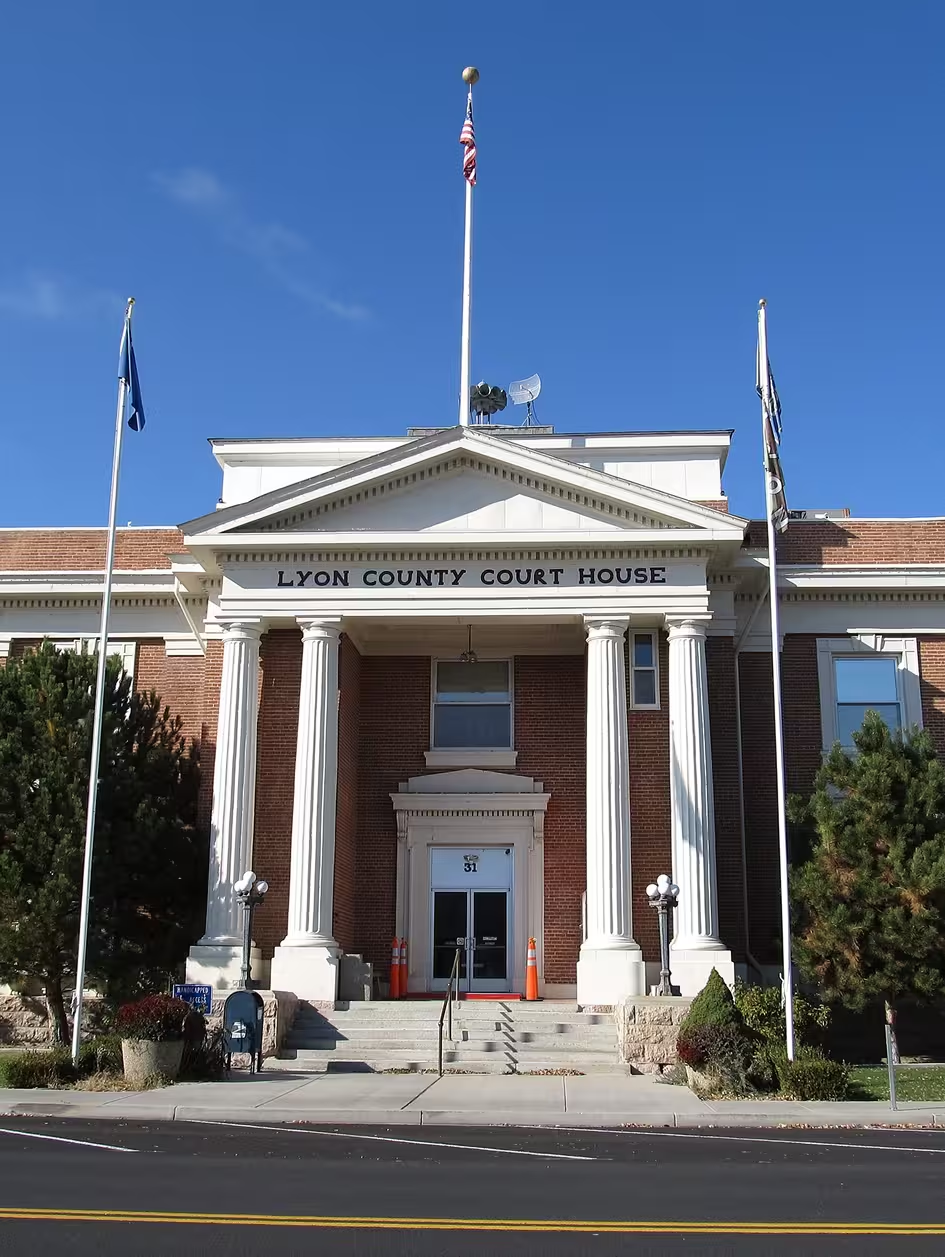
Lyon County is one of Nevada’s fastest-growing regions, combining strong industrial expansion with deep agricultural roots. Centered around Fernley and Yerington, the county connects major highway and rail networks that serve manufacturing, logistics, and mining operations across the Sierra Region.
Population
63,718 (2024)
Key Industries
Government
Manufacturing
Retail Trade
Construction
Existing Infrastructure:  
Developed

Mineral County

Mineral County is a rural center in western Nevada known for its industrial potential, open space, and connection to federal logistics assets. Anchored by the town of Hawthorne, the county supports mining, manufacturing, and transportation industries within a scenic desert landscape.
Population
4,475 (2024)
Key Industries
Government
Retail Trade
Accommodation & Food
Existing Infrastructure:  
Missing Information

Storey County

Storey County is one of Nevada’s most dynamic business environments, combining historic heritage with modern industrial capacity. Anchored by Virginia City and the Tahoe-Reno Industrial Center, the county connects legacy mining with cutting-edge manufacturing and logistics.
Population
4,112 (2024)
Key Industries
Advanced Manufacturing
Logistics
Construction
Existing Infrastructure:  
Developed
Newsletter